

361: Women Leading Change in Construction
361: Women Leading Change in Construction
What does it really take to lead with courage in environments that were not built for you? Gretchen Gagel, PhD, a trailblazer with four decades of experience in the construction industry, shares what she has learned about unconscious bias, the importance of male allies, and what it takes to create truly safe and inclusive workplaces.
We also explore Gretchen’s concept of grounded self-leadership, rooted in courage, humility, and critical thinking, and her bold vision for the International Institute for Women in Construction, a Global Institute dedicated to accelerating the success of women in construction, mining, and energy. This conversation is practical, hopeful, and deeply encouraging for leaders in any industry.
Gretchen has degrees in Mechanical Engineering, an MBA, and a PhD in Leadership, Organization Culture, and Change. She’s the former Chair of Brinkman Construction and the author of a new book, Building Women Leaders: A Blueprint for Women Thriving in Construction.
You’ll discover:
- The real barriers women still face in construction and similar industries
- Why male allies play a critical role in inclusive leadership
- How grounded self-leadership strengthens confidence and credibility
- What zero-tolerance cultures look like in action
- How research, storytelling, and convening leaders can drive lasting change
Watch the episode:
Gretchen’s Resources
Websites
International Institute for Women in Construction
Book
Building Women Leaders: A Blueprint for Women Thriving in Construction
Related Podcast Episodes






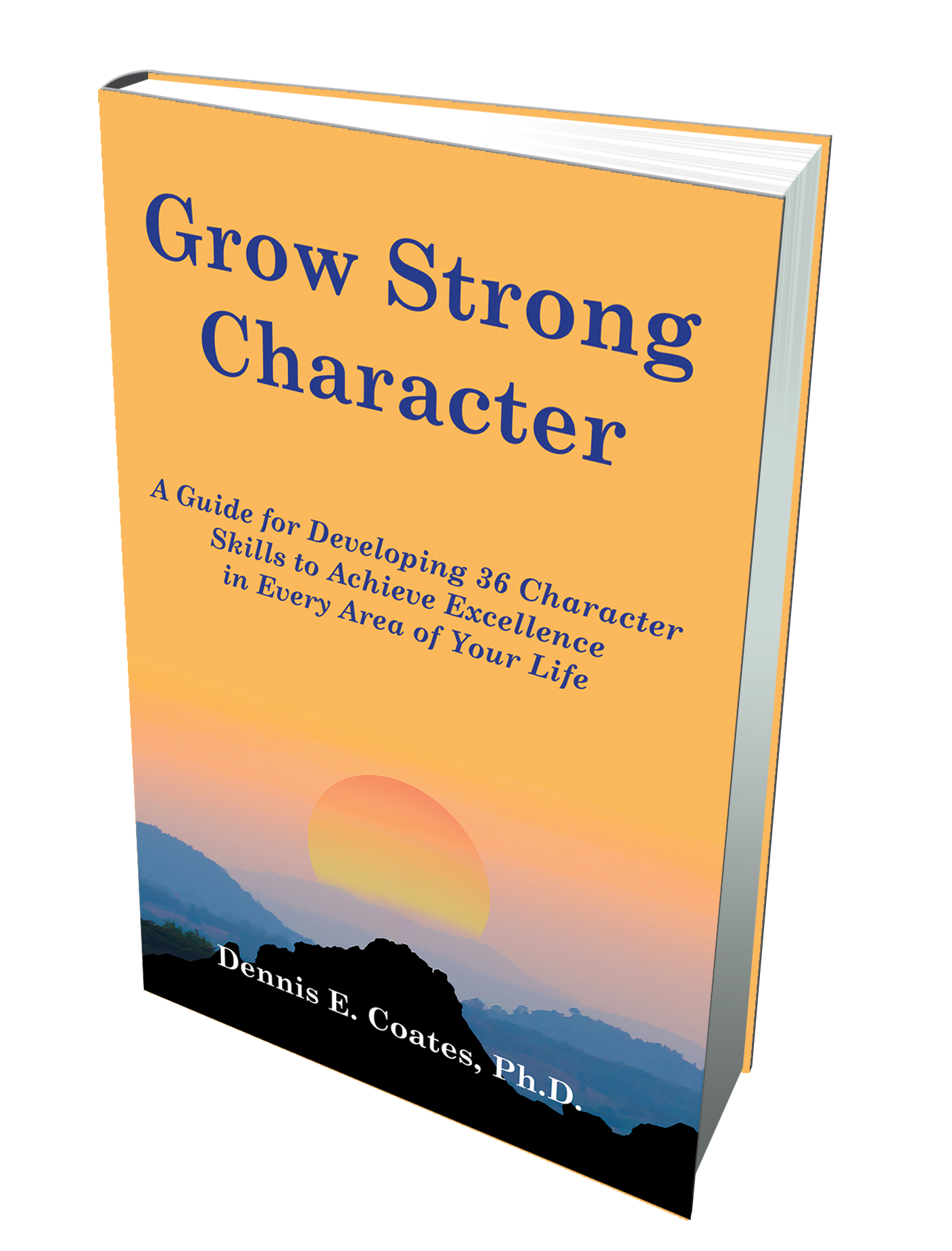
Grow Strong Character
Dennis E. Coates, Ph.D.

Connect with Your Team
and Meredith M. Bell

Peer Coaching Made Simple
Dennis E. Coates, Ph.D.,
and Meredith M. Bell



