359: Own Your Stuff and Elevate Your Impact

359: Own Your Stuff and Elevate Your Impact

359: Own Your Stuff and Elevate Your Impact

What if the greatest leadership breakthroughs begin with owning your truth? In this conversation with Joe Machicote about his book, Own Thy Stuff, we explore what it really means to take responsibility for your impact—on yourself, your relationships, and the culture at large. Joe shares deeply personal and practical insights from decades of leadership, all rooted in his lifelong commitment to leaving every person and situation better than he found it. You’ll hear stories that will challenge the way you think about communication, presence, and the stories you create in your own mind.

You’ll also discover the power leaders have to create spaces of trust, especially during grief, conflict, and moments of emotional strain. Joe’s candor about his own journey, including profound personal loss, opens the door to a compassionate and courageous view of leadership. He offers simple, meaningful practices that help you slow down, listen more deeply, and act with intention so you can strengthen culture, relationships, and your own self-mastery.

Joe is Chief Culture Officer at Premier, where he partners with the CEO, the Executive Team, and other stakeholders across the company. His role is to enhance and formalize a mission-driven culture of equal opportunity, high performance, and belonging. Joe has served in senior HR positions over the past 30+ years. His new book, Own Thy Stuff: The Continuous  Improvement Journey to Becoming an Extraordinary Human Being,  captures his most important insights and lessons from life and work:

You’ll discover:

  • Why “owning your stuff” creates trust and credibility
  • How to support team members experiencing grief with compassion, not fixes
  • A simple mindset shift that transforms assumptions into clarity
  • Practices for increasing presence and reducing distraction
  • The difference between mentoring and sponsoring—and why both matter

Watch the episode:

Connect with Joe

Listen to the Grow Strong Leaders Podcast on Apple Podcasts
Listen to the Grow Strong Leaders Podcast on Spotify
Listen to the Grow Strong Leaders Podcast on Amazon
Listen to the Grow Strong Leaders Podcast on Pandora
Listen to the Grow Strong Leaders Podcast on YouTube
Listen to the Grow Strong Leaders Podcast on iheartradio
Leader-team communication and character skills

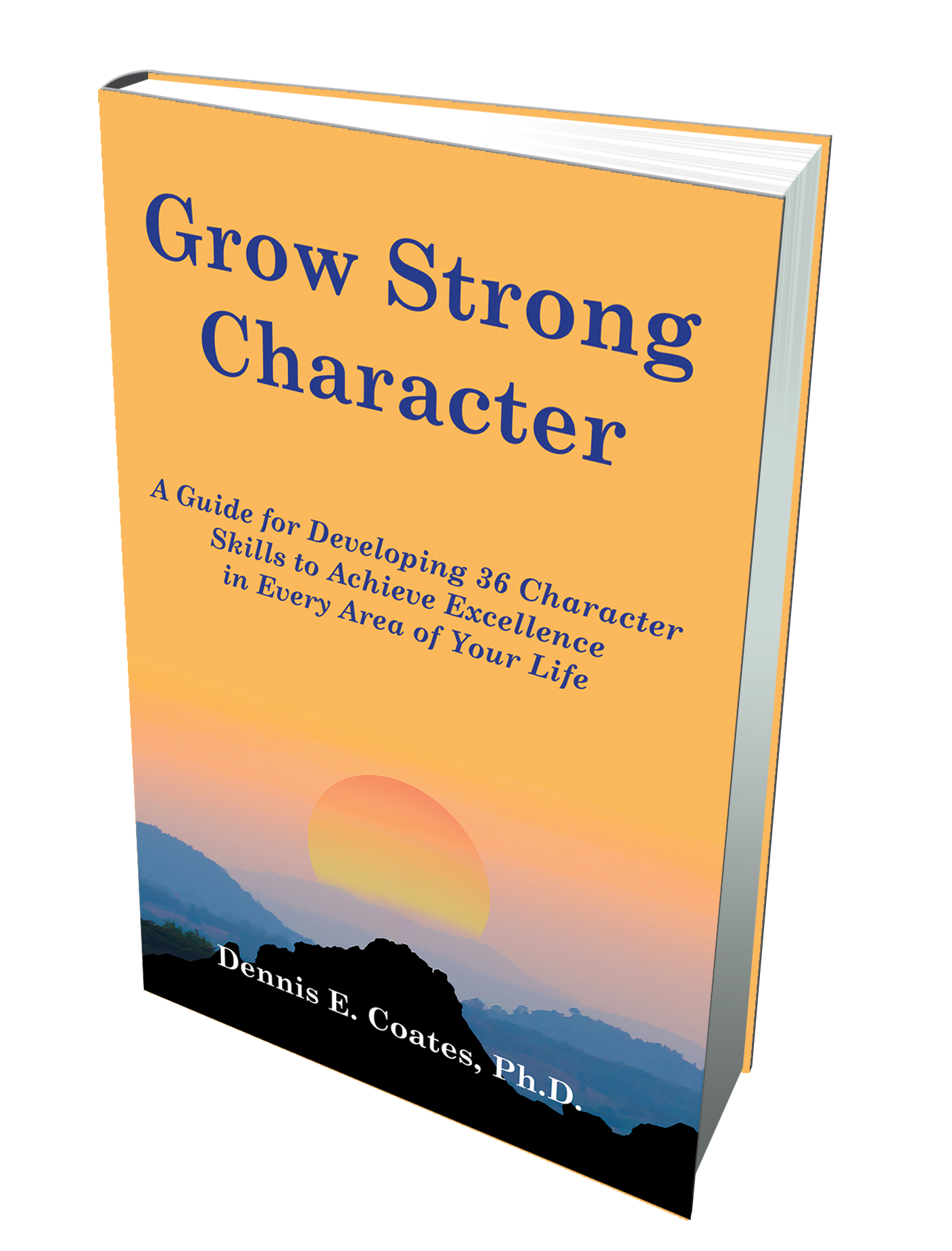
Grow Strong Character

Dennis E. Coates, Ph.D.
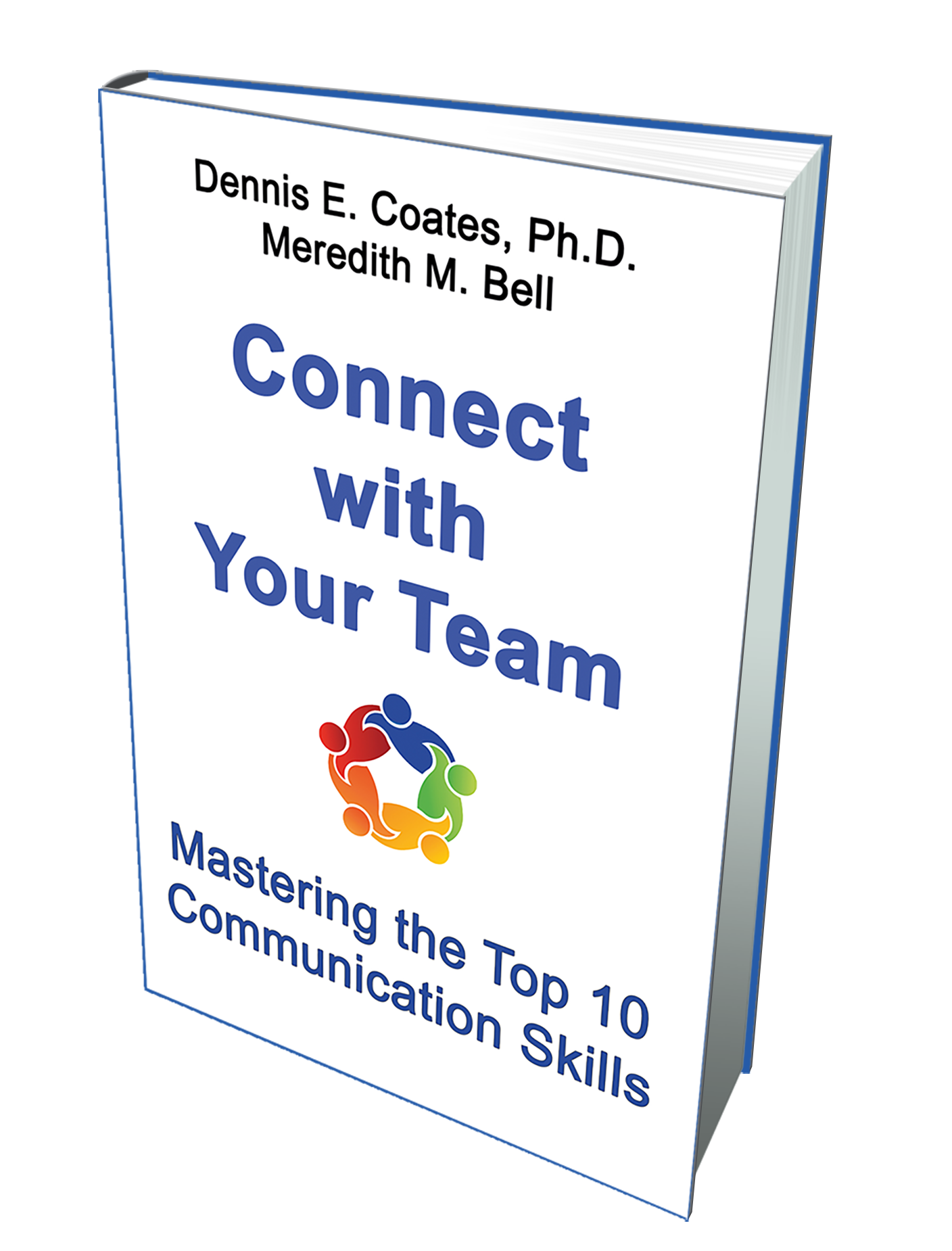
Connect with Your Team Book - Grow Strong Leaders

Connect with Your Team

Dennis E. Coates, Ph.D.,
and Meredith M. Bell

Connect with Your Team Book - Grow Strong Leaders

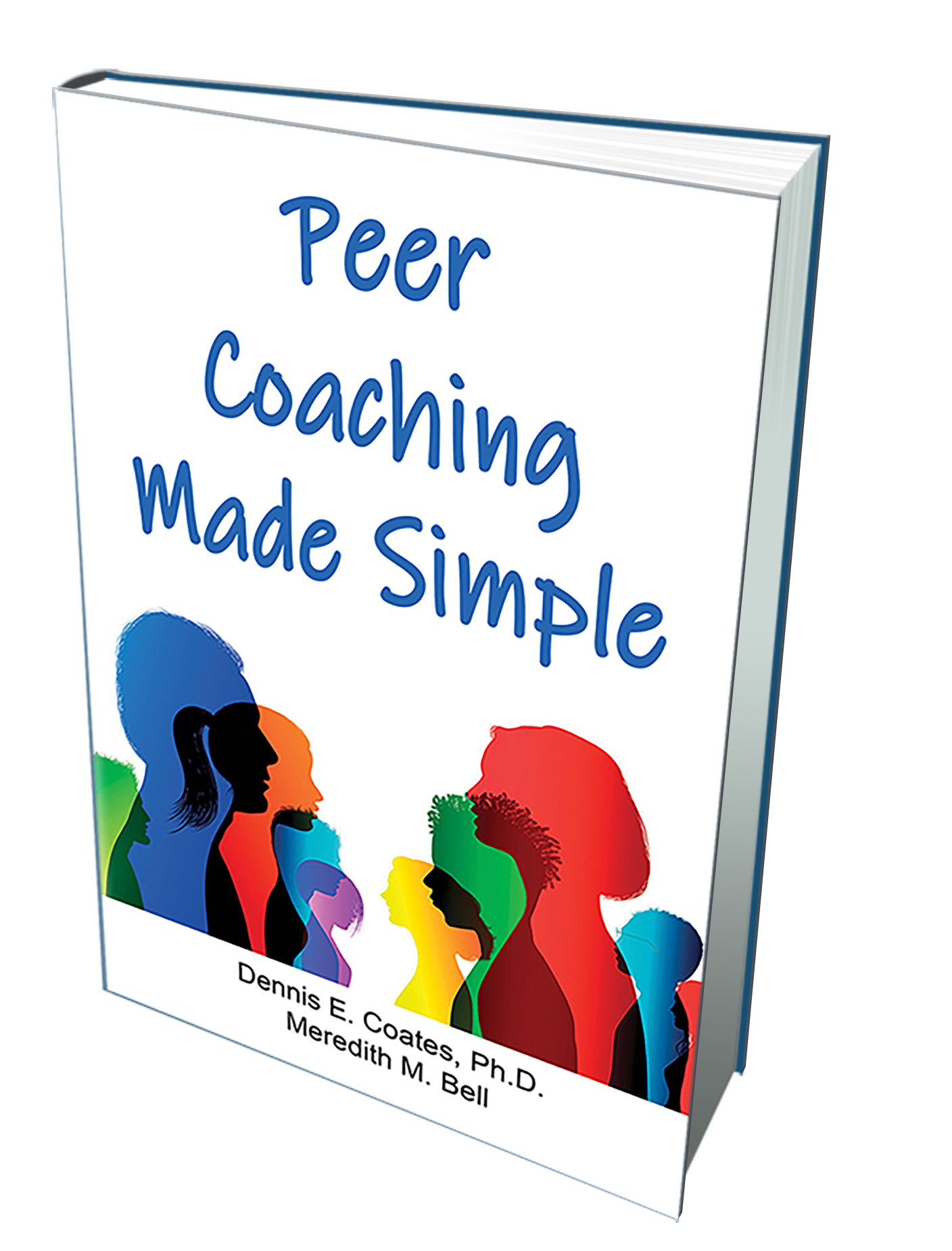
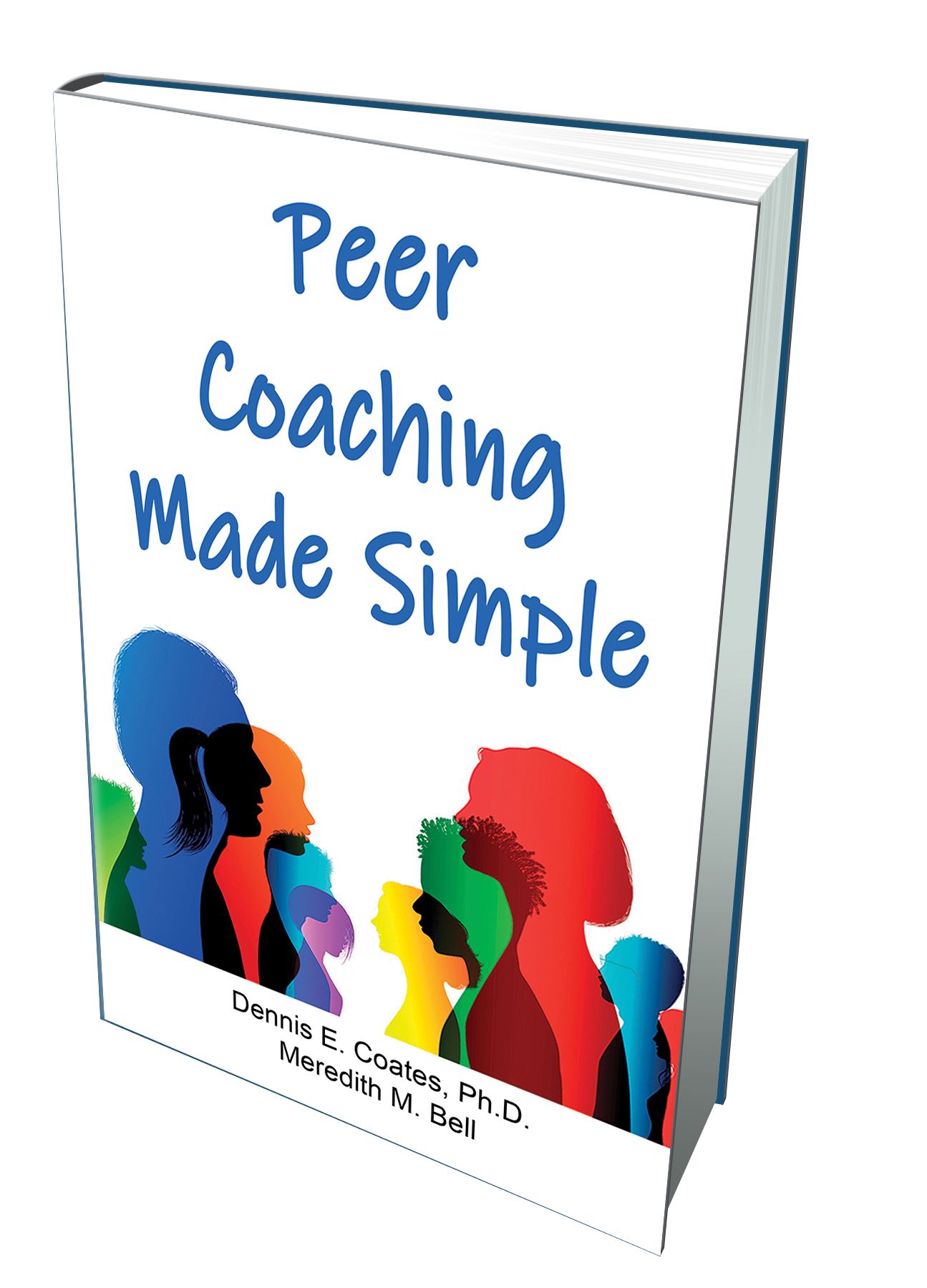
Peer Coaching Made Simple

Dennis E. Coates, Ph.D.,
and Meredith M. Bell

292: From Winning Athlete to Thriving Entrepreneur

292: From Winning Athlete to Thriving Entrepreneur

292: From Winning Athlete to Thriving Entrepreneur

If you’ve ever gone through a major transition from one career path to another that’s totally unfamiliar, you may have felt disoriented and unsure of your identity. That often happens to college and professional athletes when they leave the sport that’s been a central part of their identity.

This episode’s guest, Jay Dixon, specializes in helping these athletes discover how they can transfer the skills they already have to the business world. You’re going to hear ideas that you can apply to your own role as a leader.

Jay is an expert at the intersection of sports and business. He was a student-athlete at the University of Nevada, where he played football. Since then, he’s cofounded three companies and consulted or participated in more than 50 transactions. After these experiences, Jay started an elite accelerator for athletes called SuccessCoach.com. It blends the mindset strategies of elite CEOs and an actionable playbook to transition their athletic talents into thriving business ventures.

He’s the author of a new book, After the Game: Bridging the Gap from Winning Athlete to Thriving Entrepreneur. It’s an excellent book for anyone in business.

You’ll discover:

  • Jay’s personal journey from athlete to entrepreneur
  • The unique strengths athletes have that serve them well in the business world
  • Why a growth mindset is the first piece in the 10 mindset elements that Jay teaches
  • Tips for optimizing your time and energy
  • The distinction between expectations vs agreements

Watch the episode:

Connect with Jay


Listen to the Grow Strong Leaders Podcast on YouTube
Listen to the Grow Strong Leaders Podcast on Apple Podcasts
Listen to the Grow Strong Leaders Podcast on Pandora
Listen to the Grow Strong Leaders Podcast on Spotify
Listen to the Grow Strong Leaders Podcast on Amazon
Listen to the Grow Strong Leaders Podcast on iheartradio

Connect with Your Team

Mastering the Top 10 Communication Skills

Peer Coaching Made Simple

How to Do the 6 Things That Matter Most When Helping Someone Improve a Skill

261: A Time to Lead: Mastering Your Self

261: A Time to Lead: Mastering Your Self

261: A Time to Lead: Mastering Your Self

A lot of emphasis is placed on leadership behaviors, but it all starts within. What must a leader do to master Self? In this value-packed conversation with Craig Dowden, you’ll learn about the 7 areas included in his best-selling book, A Time to Lead: Mastering Your Self…So You Can Master Your World. Craig unpacks what leaders can do in each of these areas to prepare themselves to be more effective in their roles.

Craig is a highly respected executive coach with the Forbes Coaches Council as well as an award-winning speaker who delivers interactive, evidence-based workshops that translate the science of leadership, team, and organizational excellence into everyday practice.

His podcast, Do Good to Lead Well, which is based on the title of his first bestseller, is rated in the top 0.5% of podcasts in the world. Each week, Craig speaks with top CEOs, fellow bestselling authors, and global thought leaders to share their experience and expertise with his audience.

Craig has been a regular contributor to, and featured expert in, top-tier leadership and business publications including Forbes, Fast Company, the Financial Post, the Huffington Post, Financial Times, the Globe and Mail, and Psychology Today.

You’ll discover:

  • The top 2 areas of self-mastery that most leaders struggle with
  • Why a growth mindset is the foundation for all the other areas
  • The importance of recognizing and mastering your emotions
  • What you must do before asking someone to give you feedback
  • Some cautions and guidelines around authentic leadership

Watch the episode:

Connect with Craig


Listen to the Grow Strong Leaders Podcast on YouTube
Listen to the Grow Strong Leaders Podcast on Apple Podcasts
Listen to the Grow Strong Leaders Podcast on Pandora
Listen to the Grow Strong Leaders Podcast on Spotify
Listen to the Grow Strong Leaders Podcast on Amazon
Listen to the Grow Strong Leaders Podcast on iheartradio

Connect with Your Team

Mastering the Top 10 Communication Skills

Peer Coaching Made Simple

How to Do the 6 Things That Matter Most When Helping Someone Improve a Skill

243: How a Leader Can Use TIME to Have Impact

243: How a Leader Can Use TIME to Have Impact

243: How a Leader Can Use TIME to Have Impact

Being voted a “Best Place to Work” doesn’t happen by accident. Aaron Wilmot shares what’s he learned about creating the kind of culture where people are excited to come to work and put forth their best efforts. He points out several leadership behaviors that are key to this environment, including the investment of time in getting to know people and what’s important to them.

Aaron is the Vice President of People and Talent at AgentSync, one of the Best Places to Work in Denver. Aaron has been working in the People space for nearly 20 years, and he has experience in a range of industries from Ground Handling to SaaS and a variety of stages from mature to start up.

You’ll discover:

  • What a Best Place to Work looks like
  • Why time, not money, is a key element in leadership
  • The role of the C-suite in creating a positive culture
  • Key traits Aaron looks for when hiring new employees
  • The 5 expectations AgentSync has laid out for leaders

Watch the episode:

Connect with Your Team

Mastering the Top 10 Communication Skills

Peer Coaching Made Simple

How to Do the 6 Things That Matter Most When Helping Someone Improve a Skill

201: WM’s Award-winning Program for Front-Line Leaders

201: WM’s Award-winning Program for Front-Line Leaders

201: WM’s Award-winning Program for Front-Line Leaders

In many organizations, those who supervise individual contributors are often neglected when it comes to development opportunities. Not at WM. Phil Rhodes describes how they are providing a transformative program for all 3,600 of these leaders, which has led to 90%+ retention rate for those who complete the program. You’ll want to take notes to capture all the fantastic strategies Phil shares.

Phil is Head of Learning and Leadership Development at WM, formerly Waste Management, a Fortune 250 company and North America’s largest environmental services company. Phil joined the People Organization at WM in 2021 and led the successful reorganization of WM’s learning organization. This effort supported the design and delivery of more consistent learning and leadership development solutions for the company’s 50,000+ employees.

Phil and his team at WM were just named Bronze Winner of the Learning in Practice Award by Chief Learning Officer for their first-line leaders program.

You’ll discover:

  • The “listening tour” Phil conducted before re-designing WM’s learning organization
  • How the CEO and the leadership team consider “People First” before making decisions that impact employees
  • What WM did to provide a virtual coach to every front-line leader
  • How Cohort Learning is used to support learners and ingrain skills
  • WM’s generous program for educational assistance

Watch the episode:

Connect with Phil


Phil’s Resource

Website

WM (Waste Management)

Connect with Your Team

Mastering the Top 10 Communication Skills

Peer Coaching Made Simple

How to Do the 6 Things That Matter Most When Helping Someone Improve a Skill